.jpeg)
Grove Management
Caring for Birch Groves in PolandPruning schedules, soil requirements, and regeneration methods used in Polish birch plantations and natural stands.
A reference on grove maintenance, seasonal sap collection, and the rules that govern Poland's forest paths — drawn from forestry practice and local regulation.
Articles
Three detailed guides on the practical and legal dimensions of birch groves in Poland.
Grove Management
Caring for Birch Groves in PolandPruning schedules, soil requirements, and regeneration methods used in Polish birch plantations and natural stands.

Sap Collection
A Guide to Collecting Birch SapThe seasonal window, tapping methods, permitted quantities, and preservation of birch sap in Polish conditions.

Forest Etiquette
Rules of Conduct on Forest Trails in PolandLegal framework, visitor obligations, and practical guidance for walking in Polish state forests and national parks.
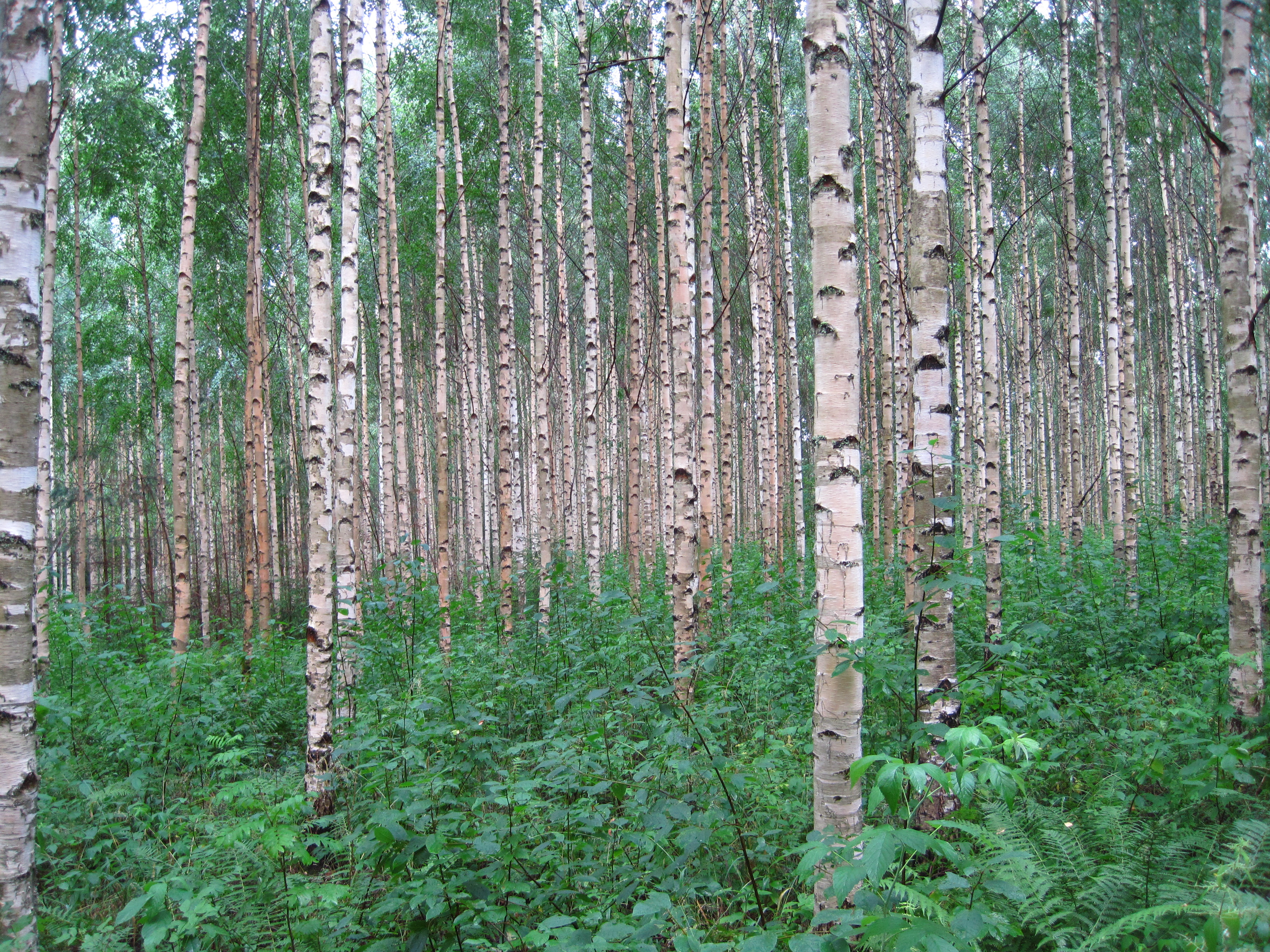
Betula pendula — the silver or warty birch — is one of the most widespread broadleaved trees across Poland. It colonises disturbed ground quickly, appears in managed plantations alongside pine, and forms pure stands on sandy soils in the lowlands of Mazovia, Podlaskie, and Warmia.
Unlike slow-growing oaks or beeches, birch reaches harvestable size within two to three decades. This makes it both an economic resource and an ecological pioneer species used in restoration forestry. Polish state forests (Lasy Państwowe) track birch as a significant secondary species within the national forest inventory.
References: Lasy Państwowe, GDOŚ (General Directorate for Environmental Protection).

Questions about specific birch sites, local forestry regulations, or corrections to published content — use the form to send a note.
Poland
silverandlane.eu